

The Practical Mariner Team
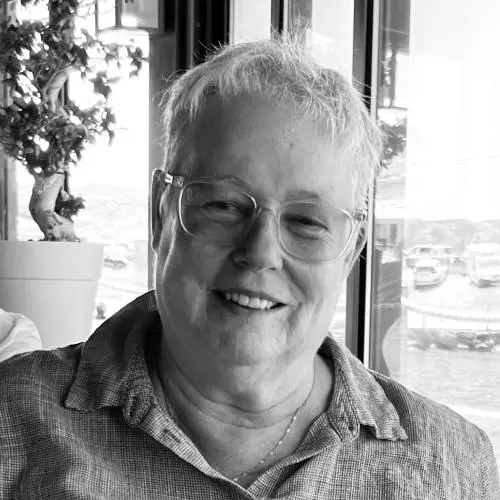
Linda Hulin
Principal Investigator
Linda Hulin’s interests centre upon interregional contact across the Mediterranean, but particularly in the east, in the Levant, Egypt, Cyprus and Libya. She focuses upon social relationships: how now information is learned passes between across time and space, and the interplay between aesthetic sensibilities and social identification in both the ancient and modern world.
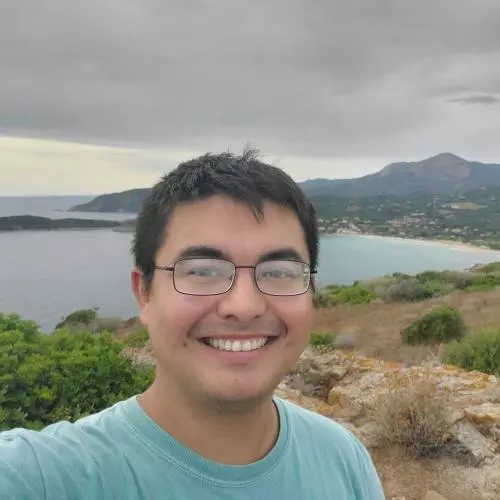
Karl Smith
PDRA in Maritime Archaeology Data
Karl Smith specialises in GIS, remote sensing, and computer modelling. His DPhil research focused on simulating prehistoric seafaring – specifically agent-based maritime mobility modelling, coastal visibility analysis, and methods of navigation. He has also worked as a geophysicist and GIS specialist on archaeological projects in the UK, Italy, Croatia, Greece, Oman, Turkmenistan, and Kazakhstan. His work with The Practical Mariner includes creating seafaring agent-based GIS models, using GIS data to model ancient ports and landing places, investigating the effects of resource/climatic variability on coastal communities, and supporting our fieldwork projects in the Mediterranean.
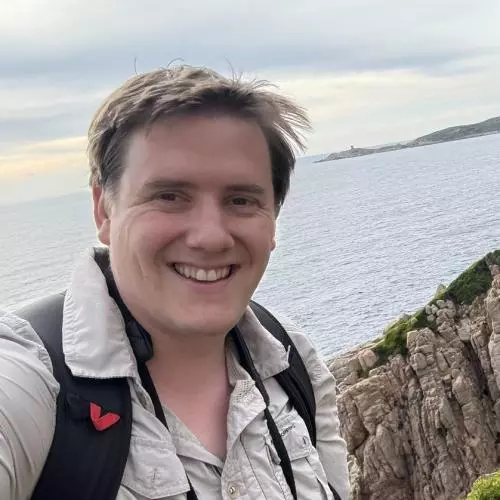
Max MacDonald
PDRA in Archaeology of the LBA Mediterranean
Max MacDonald completed his PhD at the Centre for Maritime Archaeology at the University of Southampton in 2024. His thesis focused on the human relationship with the sea in Late Bronze Age Greece. Drawing on his experiences growing up on the west coast of British Columbia, his research explored both maritime material culture and the emotional experience of the sea. He has participated in archaeological excavations in Greece, Italy, Spain, England, and Scotland, both underwater and on land.